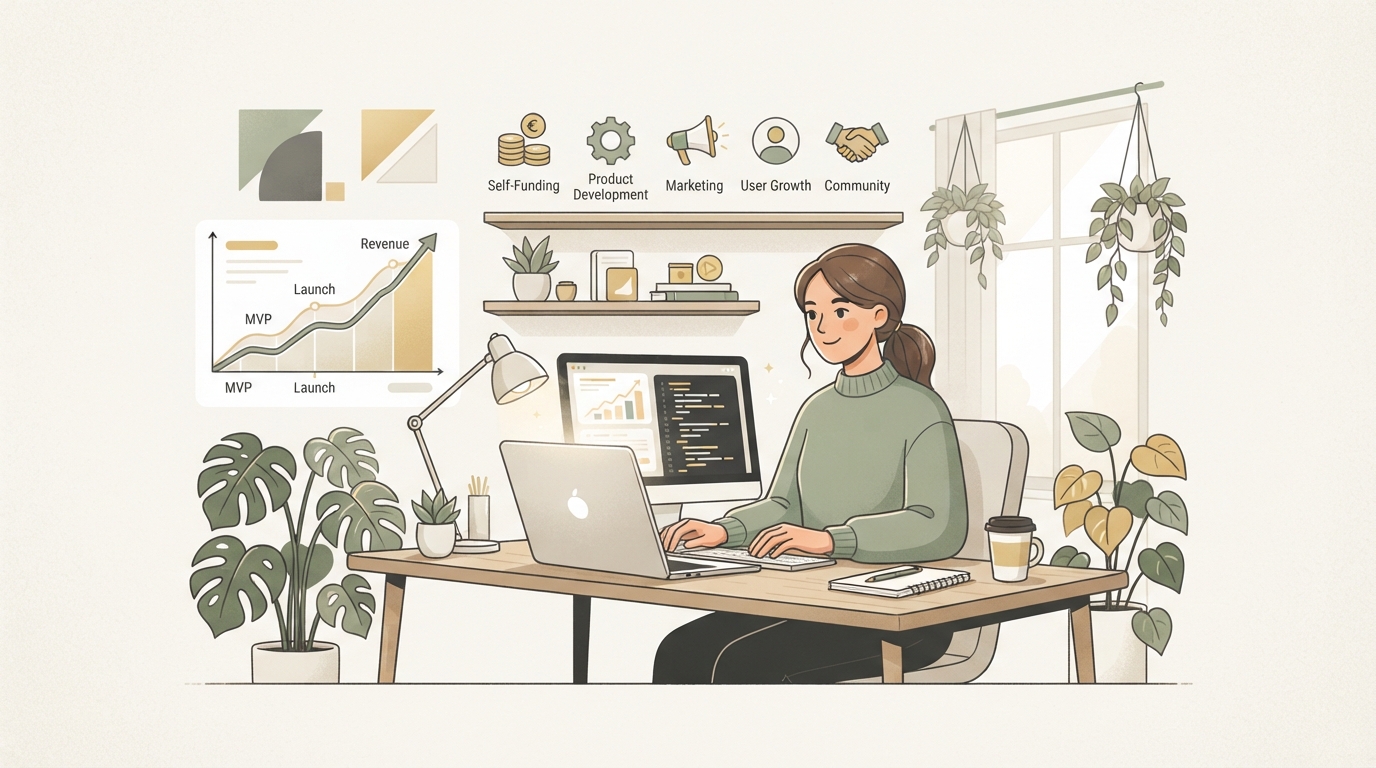
Why micro-SaaS fits a side hustle
Most paths into self-employment clash with a full-time job. Freelancing needs you to be available whenever a client calls. E-commerce needs support and logistics, every single day. A small software product, on the other hand, is asynchronous: you build in the evenings and on weekends, and the product keeps working while you're sitting in a meeting. That's exactly what makes micro-SaaS one of the few models that lets you become self-employed on the side without having to quit your job right away. I've explained what micro-SaaS actually is in a separate post — the short version: small software, one problem, subscription model.
There's also something a lot of people miss: your job isn't a burden while you're building — it's your safety net. You don't have to make rushed pricing decisions because rent is due. Patrick McKenzie (known under his old blog name patio11, one of the best-known voices on SaaS pricing) has written for years about what this means for software pricing: if you're not selling out of financial desperation, you can price with confidence — and as a side-hustle founder, that's structurally your advantage, not your disadvantage. When you're self-employed on the side, you're negotiating from a completely different position than someone who has to live off their very first euro of revenue.
The honest math of part-time self-employment
What fits in 5–8 hours a week — and what doesn't:
- Fits: validating one idea, building a lean first version with AI editors, finding your first users, sticking with one niche.
- Doesn't fit: three ideas in parallel, an "everything" product, daily social media grinding across four channels.
Anyone who tells you a profitable side business is doable in four weeks is selling you something. Realistically, expect three months to your first launch — and that's completely fine, because your competition usually gives up before that.
The 90-day plan for evening founders that can work as a part-time business
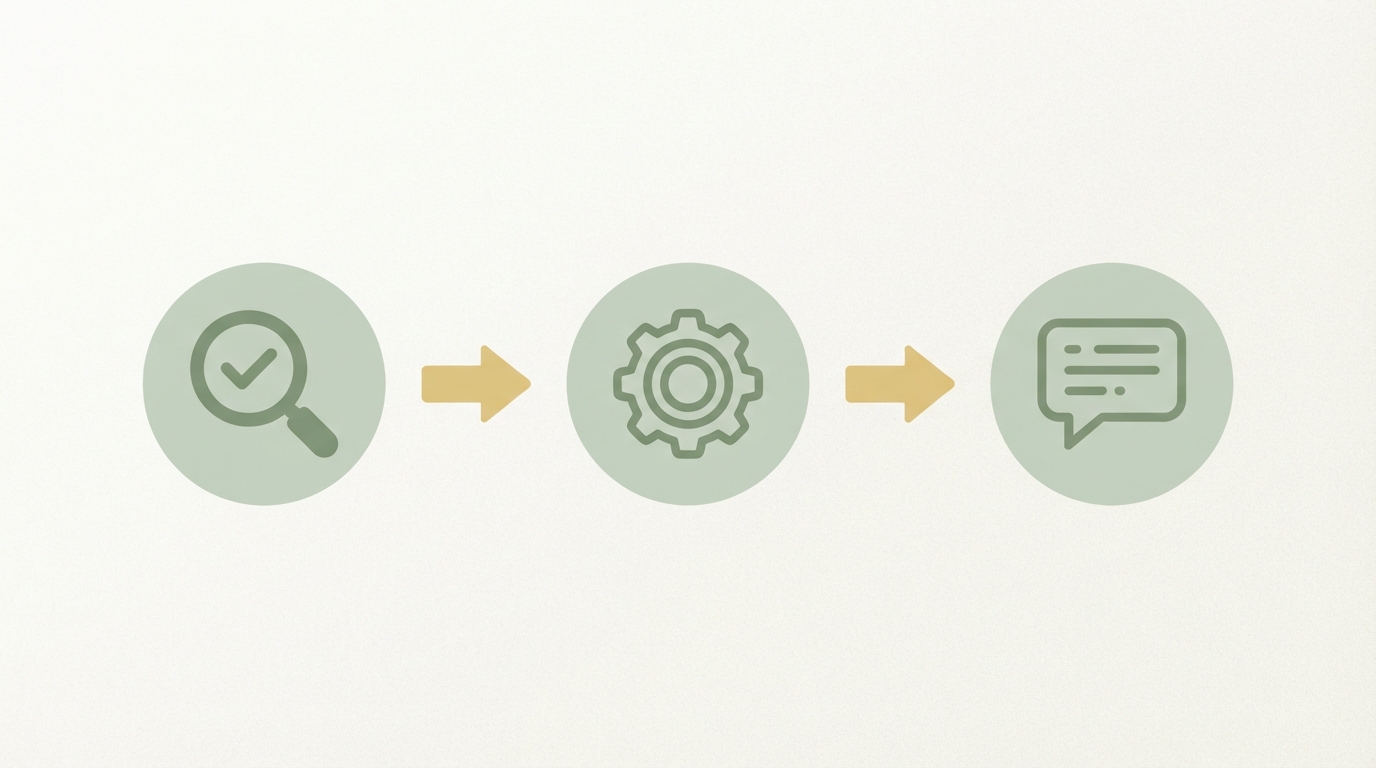
Weeks 1–2: Validate instead of guess. The most expensive mistake is building something nobody wants — and as an evening founder, burned months are the one thing you can least afford. So start by looking at what already has willingness to pay in your niche: existing tools, their pricing, their reviews, their gaps. This is exactly why I use the Trend Finder myself — it shows you ideas with estimated traffic and estimated revenue potential before you write a single line of code. It won't do the work for you, but it stops you from sinking two weeks into an idea the market doesn't want. You'll find concrete examples with estimated revenue here.
Weeks 3–8: Build, but small. One core feature that solves the problem. Not five. This is the phase where most side projects fall apart, because scope creeps up unnoticed — one feature here, one integration there, and suddenly six weeks has become an open-ended commitment. That's why I'd recommend having a clear blueprint before you write a single line of code: the Blueprint Generator translates your idea into a concrete MVP feature set, a fitting tech stack, and ready-made prompts for your AI editor — so by week 3 you already know what you won't be touching in week 8. I've written a step-by-step guide on how to build without coding skills.
Weeks 9–12: Show it. Ten honest conversations with people in your target audience will get you further than a hundred anonymous visitors. Communities where your niche hangs out, a short demo video, direct messages — uncomfortable, but effective. This phase feels more uncomfortable to me than building does, because now you risk rejection instead of sitting alone with your code. That's exactly why so many people skip it — and exactly why it's the lever that decides between success and silence.
The paperwork, briefly
Report your side activity to your employer (it's almost always in your employment contract), and register a business as soon as you want to start earning revenue. That's an afternoon of paperwork, not a drama — but the details depend on your contract and your situation, so sort them out properly instead of putting them off.
The three mistakes that stop evening founders
Thinking too big. The project that's "only two more months away" — for a year now. Cut the scope in half, then cut it in half again.
Building in secret. Out of fear the idea isn't good enough, you show it to no one — and spend six months building past the market. Show it early, even if it's uncomfortable.
Relying on motivation instead of routine. After a long workday, the couch always wins if you don't have a fixed appointment with yourself. Two set evenings plus one weekend block — scheduled like a dentist appointment.
Sure, it's slower. But you'll see it through — and that wins almost every time. You can stick with it. And sticking with it beats speed — almost every time.
Frequently asked
How many hours a week do I need for a side-hustle micro-SaaS?
Realistically 5–8 hours, spread across fixed blocks. Less can work too — it just takes longer. What matters isn't the number of hours, but that the blocks happen regularly.
Do I need to register a business?
Once you want to earn revenue, generally yes — and under many employment contracts, you also need to report the side activity to your employer. The details depend on your situation, so check briefly with your local business registration office and, if in doubt, a tax advisor.
When should I quit my job?
Much later than your gut tells you to. Working on the side takes away the survival pressure — that's an advantage, not a flaw. Switching only becomes worth considering once the product has grown steadily for months and demand outstrips the time you have available.
Written by
Bohdan BernatekFounder, Starte.ai
Founder of Starte.ai. Built a business to 125,000+ organic leads and seven-figure revenue — and now works with founders personally, deriving a strategy for their own brand from data across thousands of real projects and producing the creatives for it.